Overview
- Classical conditioning is the process of associating stimuli that are often presented together.
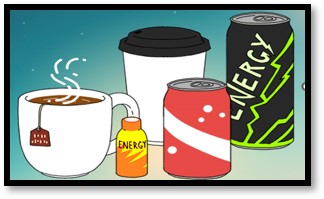
- The experiment is based on the idea that many of you have already been conditioned by your daily dose of caffeine. It is predicted that most people consume caffeine in the same or similar ways, such as a cup of coffee in your favorite bug, a latte in a Starbucks container, or the maroon color of a Dr. Pepper can.
- Caffeine causes a natural increase in heart rate, so perhaps the stimuli associated with caffeine consumption (smell, taste, sight of container) act as conditioned stimuli causing the conditioned response of change in heart rate.
- There are three possible conditioned responses.
- The conditioned stimuli will cause the heart rate to increase — the CR is similar to the UR.
- The conditioned stimuli will cause a compensatory response and decrease heart rate — the CR is opposite to the UR.
- There will be no conditioned response detected.
- This lab takes between 40 – 60 minutes.
- You will fill in out a worksheet, and graph your results with a provided Excel spreadsheet of data of an experiment using caffinated drinks or water.
Instructions
- Download the worksheet and Excel spreadsheet.
- Follow the directions on the worksheet and fill in your heart rate in the table.
- Transfer your data for 30 minutes to the spreadsheet and compare your results to others.
- Copy the graph from Excel, paste it in the worksheet, and answer the questions at the end of the worksheet.
- Supplies need:
1. A preferred caffeinated drink (e.g., coffee, tea, energy drink, caffeinated soda (e.g., Coke, Pepsi, Dr. Pepper, etc.). If you do not drink caffeinated beverages, then you can use your favorite beverage or water.
2. A way to record your heart rate. Several phone apps are suggested in the worksheet.
3. A timer like a stopwatch on your phone.
4. quiet place to conduct the research where you can have a beverage.
Worksheet, Excel Spreadsheet, and How-to video
 Psychology Labs and Hub