The labs were created by Dr. Martin Shapiro using interactive websites and YouTube videos and these labs have how-to videos, and downloadable worksheets and spreadsheets. These activity labs were designed to be an engaging, enjoyable, and educational experiences. Click on the image or title to be taken to the lab.

Learn to Graph in Excel
Learn how to create line graphs, scatter plots, and bar graphs in Excel. It contains three short how-to videos and a worksheet.
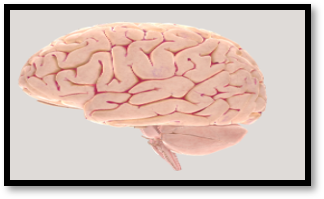
Brain Anatomy Scavenger Hunt
This lab the interactive 3D brain program at Brainfacts.org. Using a worksheet, students locate brain structure names, takes screen-shots, and write short descriptions of the structure’s theoretical functions.

Crescent Loom
The lab uses a fantastic interactive website that allows students to create creatures, including adding a body, muscles, and sensory organs. They then create the brain with excitatory and inhibitory neurons that control the creature as it swims through an environment.

Learn Genetics
This lab links students to the genetic testing company 23andMe. They will use an interactive feature at the website to learn the basics about genetics.

Mouse Party
This lab uses interactive website to learn about how recreational drugs affect the nervous system. It is very entertaining with great animation. The student fills out a worksheet as they learn about different drugs.

Visual Illusions
The lab uses an interactive lab with great optical illusions that demostrate different aspects of the visual system. It has a how-to video and worsheet.

Stroop Task
This lab uses Psytoolkit.org for students to experience the Stroop task, where they learn about perception and language. It contains a how-to video, an Excel spreadsheet, and a worksheet.

How We Are Conditioned
In this lab, students watch videos of commericals that use associative learning to associate their products with postivive emotions. Students fill out a worksheet identifying Pavlovian stimuli and responses.

Maze Learning
This lab uses an interactive website with a Hampton court maze that students can learn to navigate. Students navigate the maze several times and create an acquisition curve. It contains an Excel spreadsheet, worksheet, and how-to video.
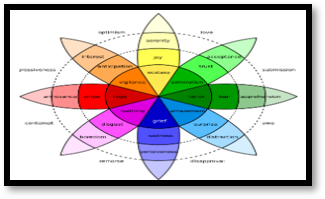
Plutchik’s Wheel of Emotions
This lab uses an website with an interactive Plutchik’s Wheel of Emotions. Students fill out a worksheet as they navigate different components of the wheel.
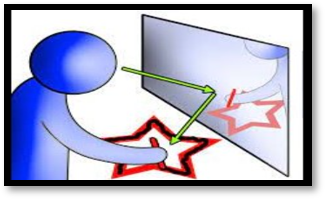
Mirror Drawing Task
This lab uses an interactive website where students can draw a shape when their mouse works normally and when it works abnormally (mirrored). It contains a worksheet and how-to video.
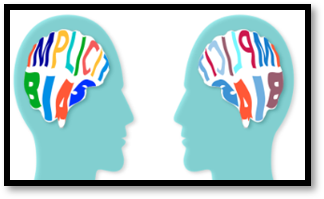
Implicit Association Test
This lab links students to Harvard University’s Project Implicit where they can try several implicit bias tests. It contains a how-to video and worksheet.

The Anatomy of Love
This lab links to a relationship personality measure developed by Dr. Helen Fisher. Students take the survey, get their results, and fill out a worksheet. It contains a how-to video.

Individual Differences Lab
This lab links students to the Individual Differences Research Lab that contains several types of personality questionaires and assessments. It contains a worksheet.

Phobias
In this lab, students go to a website that contains the names and descriptions of several types of phobias. They identify the names and create hypothesis of how each phobia was created.

Gratitude Journal
In this lab, students are asked to keep a gratitude journal for at least one week. They are given links to several websites that contain good prompts. This contains a worksheet.

The Decision Lab
In this lab, learn about heuristics, fallicies, biases and other errors in judgment and decision making. There is a worksheet, crossword puzzle, and how-to video.
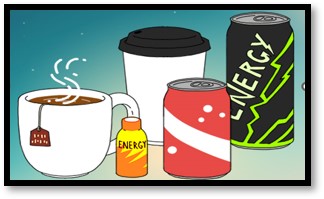
Caffeine Conditioning
In this lab, students record their heart rate before during and after drinking their preferred beverage. They look for changes in HR that could indicate previous classical conditioning. In has a worksheet and Excel spreadsheet.
 Psychology Labs and Hub